
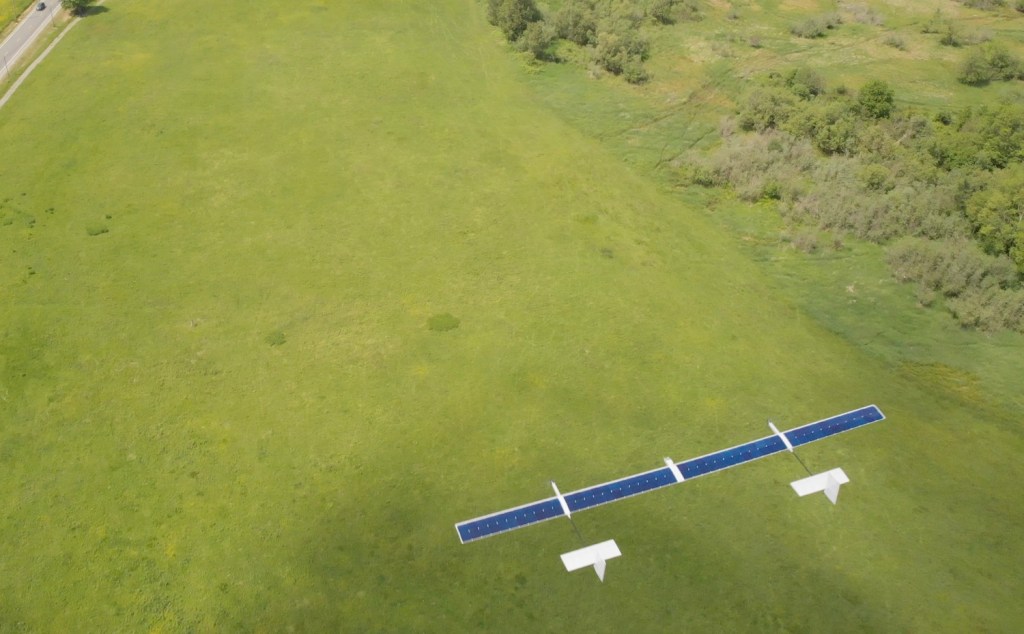
宇宙が活気あるビジネスエコシステムに発展する中で、多くの人々の目が注目されていますが、急進的なアプローチは地球に少し近づいていますが、あまり近づいてはいません。高高度で太陽光で動く航空機は、Facebookの悪名高いAquilaが失敗したところで成功しようとしており、技術を磨き、より多くの市場を受け入れることを目指しています。
Facebookの遠隔地域でインターネットアクセスを提供するために太陽光で動く航空機を使用するという野心的な計画が10年前に始まったとは信じがたいです。しかし、その夢はプロジェクトが中止されたときに崩れ落ちたが、概念自体はそのままです。
理論上、成層圏の超軽量航空機は、太陽パネルを介してプロペラを駆動することで、ほとんど無期限に高い高度にとどまることができます。センサーや通信機器などを積んで、あなたは軌道力学や混沌とした気象パターンに妨げられない、多目的で移動可能な資産を手に入れることができます。
急進的なCEOのジェームズ・トーマスは、この技術は今や以前とは異なる段階にあると述べました。
「高高度で、ハイエンドな航空機に対する関心は長い間存在しています」と彼はTechCrunchとのインタビューで語りました。「これは新しいアイデアではありませんが、過去数年間で多くの支援技術が本当に成熟しました-バッテリー、ソーラー、さらには高度なコンピューティング。バッテリー技術がどこまで進化しているかを見てください:ほとんど2倍になっています(アクイラの)。これは非常に有力な立場に私たちを置いています。」
このシアトル拠点のスタートアップは450万ドルのシードラウンドを調達し、最近24時間連続で成功裏に飛行させた小規模なデモンストレーター機から、フルスケールの機体にまで取り組みます。これらのフルサイズのクラフトは、翼幅約100フィートでありながら、「人と同じくらい」重くなります(私は100-200ポンドを意味すると考えました)。
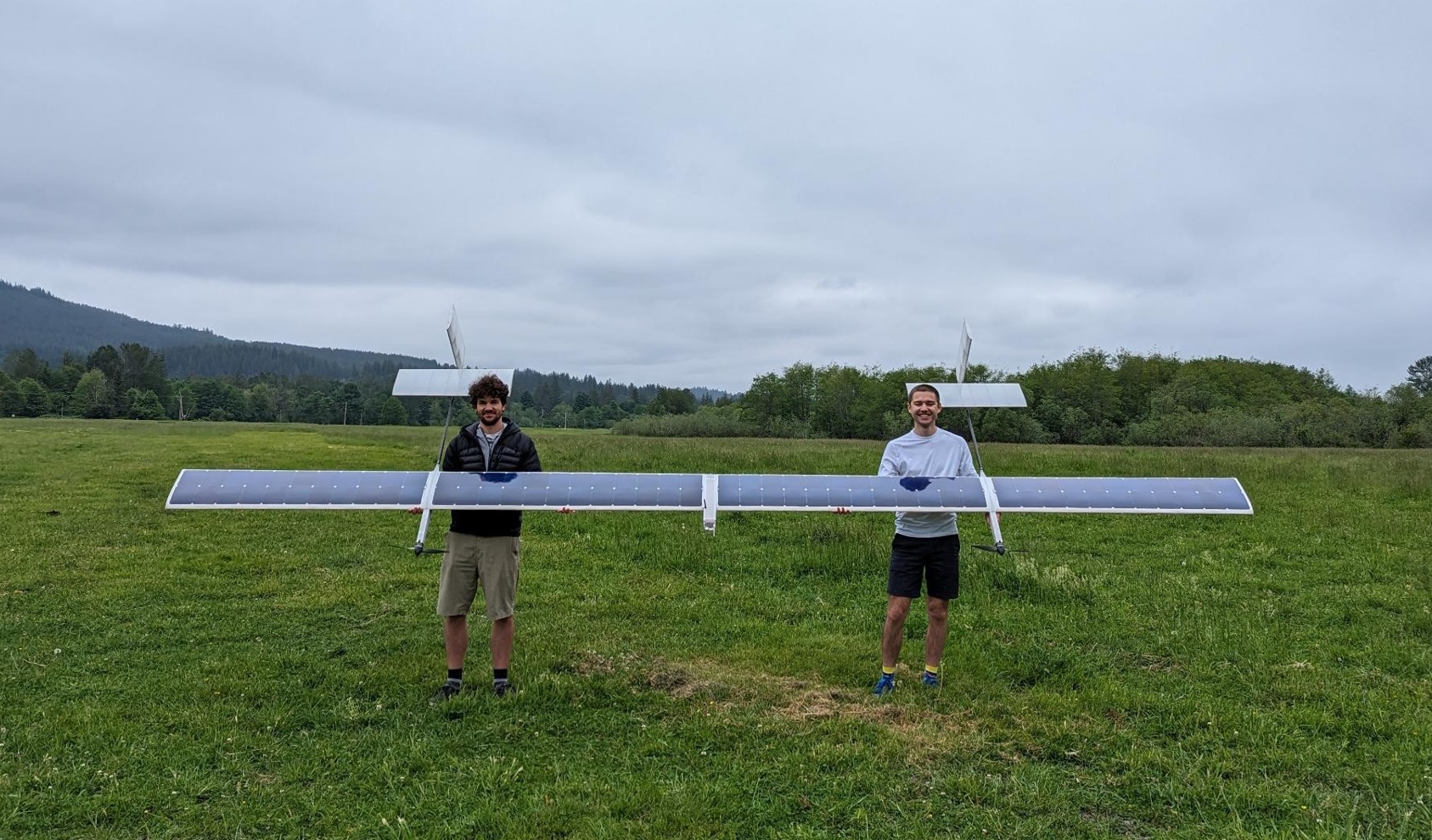
全気機を成層圏内に入れることが急進洸-scale aircraft could provide 24/7 live monitoring for weeks straight, or even change its location to track new threats.
For telecommunications, although Starlink is rapidly emerging as the go-to solution for connectivity in remote areas, it has important limits, like the need for precision ground infrastructure. There are plenty of cases where a flying 5G station is a better bet (though you still need to work out the backhaul).
Radical was one of my picks from Y Combinator’s early 2023 batch, and I wrote at the time:
I always thought the idea was compelling but had yet to find its business model. Connectivity anywhere may be a huge new differentiator for mobile networks, and I bet satellites will be useful but expensive and congested. Why not a giant glider? It’s equally weird, but I appreciate the ambition.
明らかに私は正しかったです!
Thomas said their advantage comes from a close relationship with the companies they work with, who “really want to be hands on with the system.” Not a one-size-fits-all platform, then, but also not purely bespoke — it depends on the customer (though he called them customers, they aren’t the paying type yet; the company is pre-revenue).
For now the goal is to get into the air within the next 12 months, proving the full-size craft can fly and putting them in a position to, presumably, start accepting money.
The seed round was led by Scout Ventures, with additional funding from investors including Inflection and Y Combinator.


